Key safeguarding information, guidance and resources to support teaching staff
Safeguarding within Teaching and Learning
Teaching staff should ensure that students are introduced to key safeguarding themes, understand how to raise or report a concern, and know the appropriate members of staff to contact for safeguarding support within the College.
Safeguarding Documents & Resources
Select a document below to view or download the safeguarding resource.
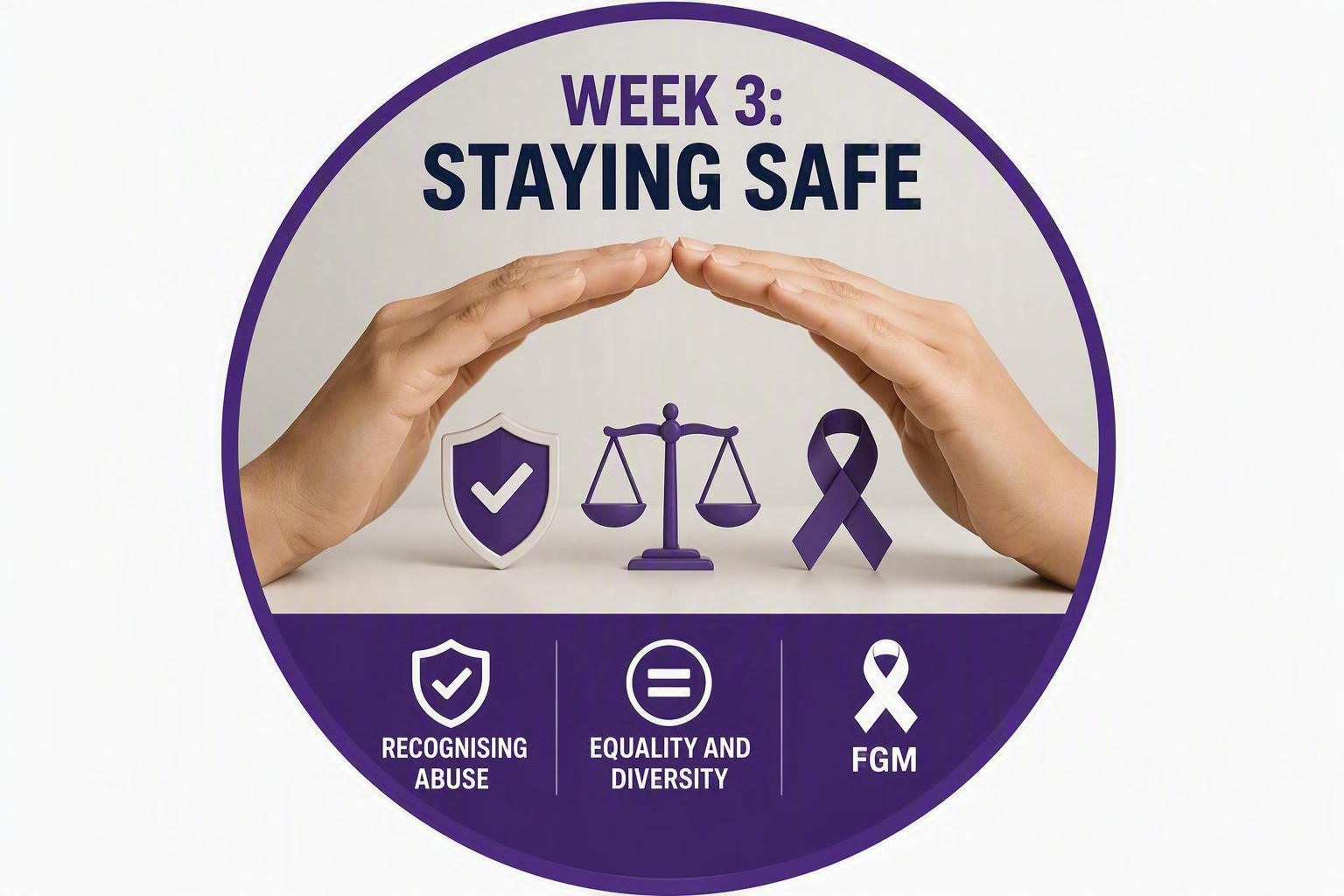
These resources support teaching staff in delivering Week 3: Staying Safe. The session introduces learners to key safeguarding themes including recognising abuse, equality and diversity, and Female Genital Mutilation (FGM).
Recognising Abuse
Use this resource to support learners in identifying different forms of abuse, recognising possible indicators and understanding how safeguarding concerns should be reported.
Use this resource to support discussions around equality, inclusion, diversity, respect and the importance of challenging discrimination within College and wider society.
Use this resource to support learner awareness of FGM, safeguarding responsibilities, possible indicators and the importance of reporting concerns through the appropriate College safeguarding procedures.
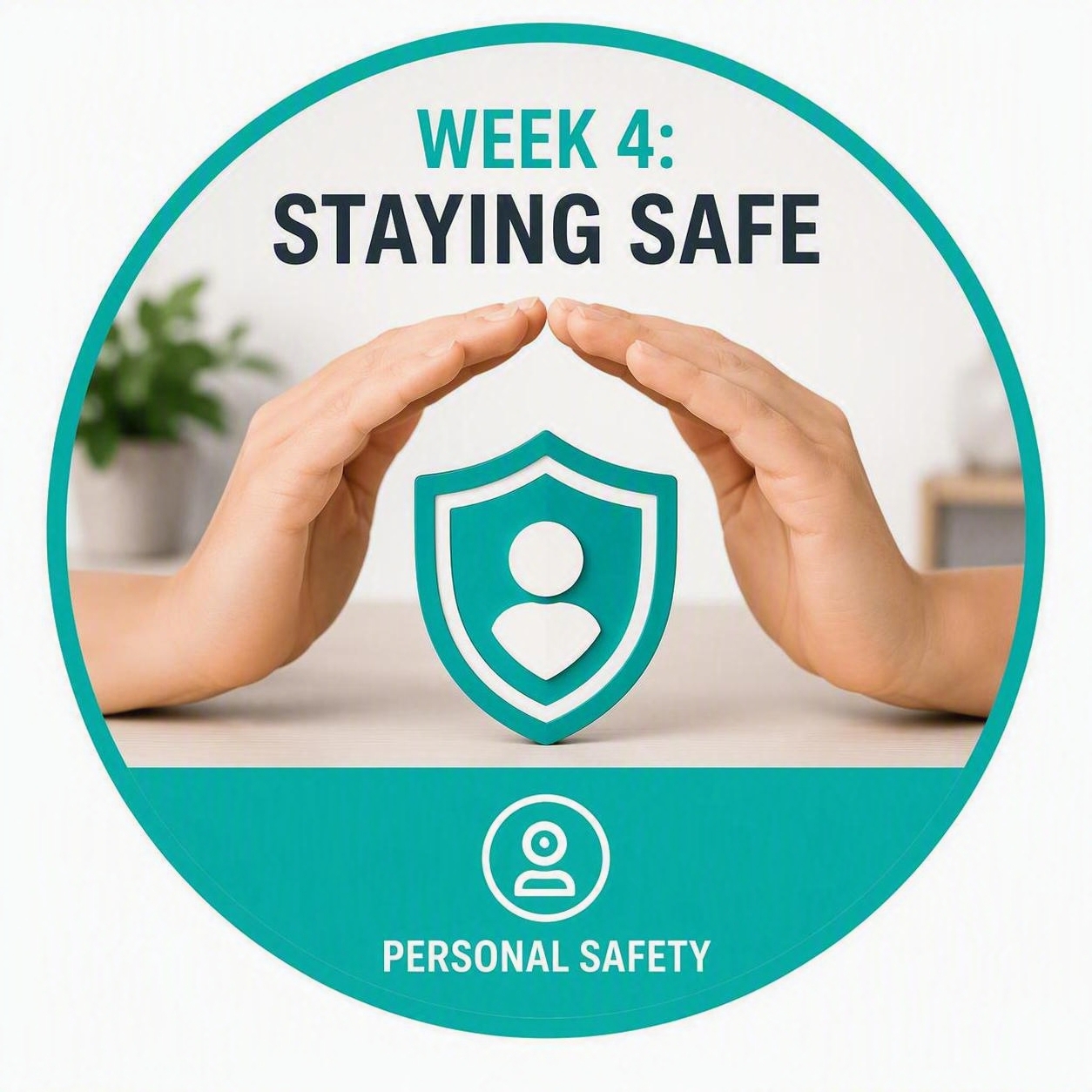
These resources support teaching staff in delivering Week 4: Staying Safe – Personal Safety. The session should help learners develop greater awareness of personal safety, recognise situations where they may be at risk, understand how to make safer choices and know where to access appropriate support.
Week 4 Personal Safety Resources
Select the appropriate resource below to view or download the document.
Save Me
Personal safety resource for use within the Week 4 session.
These resources support teaching staff in delivering Week 5: Staying Safe – Online Safety and Digital Citizenship. The session should help learners develop the knowledge and awareness required to use digital technologies safely, responsibly and respectfully.
Session Focus
Understanding how to stay safe when using online platforms.
Recognising online risks and potentially harmful behaviour.
Protecting personal information and digital identity.
Understanding appropriate and responsible online behaviour.
Developing positive digital citizenship.
Knowing how and where to report online safety concerns.
Week 5 Resources
Select a resource below to view or download the document.
Staying safe on line - Barclays life skills
Teaching and learning resource to support discussion and activities relating to online safety.
These resources support teaching staff in delivering Week 6: Staying Safe – Prevent, Extremism and Radicalisation. The session should help learners understand the Prevent duty, recognise potential indicators of radicalisation and extremism, and know how to raise concerns through the appropriate College safeguarding procedures.
Session Focus
Understanding the Prevent duty and why it is important.
Recognising the meaning of extremism and radicalisation.
Identifying possible indicators of vulnerability or concern.
Understanding the importance of respectful discussion and critical thinking.
Knowing how and where to report concerns within the College.
Week 6 Resources
Select the appropriate resource below to view or download the document.
Prevent, Extremism & Radicalisation
Main teaching resource covering Prevent, extremism, radicalisation and safeguarding responsibilities.
These resources support teaching staff in delivering Week 7 activities relating to Fundamental British Values, equality and diversity, protected characteristics, personal values and beliefs, democracy, respect, stereotyping and inclusion.
Session Focus
Exploring personal values, beliefs and faith respectfully.
Understanding equality, diversity and inclusion.
Recognising protected characteristics.
Exploring democracy and the importance of having a voice.
Challenging labels, stereotyping, prejudice and discrimination.
Promoting mutual respect and tolerance of different views and beliefs.
Supporting learners to understand their rights and responsibilities.
Week 7 Teaching Resources
Select the relevant resource below to view or download the document.
Values & Beliefs
A teaching resource to support learners in exploring values, beliefs, faith, identity and respectful discussion of different viewpoints.
A discussion resource to support learners in exploring identity, labels, stereotyping, assumptions, prejudice and the importance of treating individuals with dignity and respect.
This resource supports teaching staff in delivering a structured session on knife crime. The session should help learners understand the risks and consequences associated with carrying knives, recognise unsafe situations and understand how to access appropriate support and safeguarding services.
Session Focus
Understanding the risks associated with knife crime.
Exploring the possible consequences of carrying a knife.
Challenging myths and perceptions around personal safety and weapons.
Recognising peer pressure and potentially unsafe situations.
Understanding the impact of knife crime on individuals, families and communities.
Knowing how and where to seek help or report safeguarding concerns.
Week 8 Resource
Select the resource below to open the Knife Crime Tutorial.
Knife Crime Tutorial
Teaching resource to support structured discussion and learner activities around knife crime, personal safety, consequences, decision-making and accessing support.
Week 9 focuses on Anti-Bullying Week and provides an opportunity for learners to explore bullying, harassment, respectful behaviour, inclusion and the importance of speaking up when they experience or witness inappropriate behaviour.
Session Focus
Understanding what bullying is and recognising different forms of bullying.
Exploring the difference between bullying, banter and disagreement.
Recognising cyberbullying and inappropriate online behaviour.
Understanding the impact bullying can have on individuals.
Challenging discriminatory, intimidating or disrespectful behaviour.
Encouraging learners to speak up and support others appropriately.
Understanding how and where to report bullying or safeguarding concerns.
✓
Respect • Inclusion • Speak Up
Encourage learners to contribute to a safe, respectful and inclusive College environment where bullying and harassment are not accepted.
Suggested Teaching Prompts
What does bullying look like? Ask learners to consider verbal, physical, emotional, social and online forms of bullying.
When does banter become bullying? Explore how repeated comments, unwanted jokes, humiliation or behaviour that causes distress can become harmful.
What should you do if you witness bullying? Encourage learners to consider safe ways to support others and report concerns to an appropriate member of staff.
This resource supports teaching staff in delivering Week 11: Domestic Abuse. The session should help learners develop an appropriate understanding of domestic abuse, grooming, healthy and unhealthy relationships, safeguarding concerns and where appropriate support can be accessed.
Session Focus
Understanding what domestic abuse is and recognising that it can take different forms.
Recognising possible indicators of abusive or controlling behaviour.
Understanding coercive and controlling behaviour.
Recognising grooming and potentially exploitative relationships.
Exploring the characteristics of healthy and unhealthy relationships.
Understanding the importance of consent, boundaries and respect.
Knowing how to respond appropriately if someone discloses a concern.
Knowing how and where to report safeguarding concerns within the College.
!
Safeguarding Consideration
Domestic abuse can be a sensitive subject and some learners may have personal experience of the issues being discussed. Staff should create a safe learning environment and follow College safeguarding procedures if a learner makes a disclosure or raises a concern.
Week 11 Teaching Resource
Select the resource below to open the Week 11 teaching tutorial.
Domestic Abuse, Grooming & KCSIE Tutorial 26–27
Teaching resource covering domestic abuse, grooming and safeguarding considerations, including relevant KCSIE themes for the 2026–27 academic year.